Traditionally women had roles in ‘feminine’ areas of film,
for example, costume & makeup. There was limited involvement behind camera,
however that all started to change in the 1970s. In her women’s survey,
Christina Lane writes about women who have made the change from independent to
mainstream directing. She writes ‘Before the 1970s, when access to commercial
production opened up slightly, women had only two avenues for becoming
Hollywood directors: as film actresses or as secretaries/production assistants
who worked their way up through the ranks of the system. Only recently have
women been hired as directors on the basis of their independent films’
E. Ann Kaplan talks about the four phases in women’s film
history in Women in Film: Both sides of the camera. They are:
Up to the 1930s → Women pioneers
1930-1960 → Silencing of women
1960-1990 → White women become more dominant in the US
1990 – present → Growing multiculturalism in women’s cinema
The film industry, including Hollywood, has grown which has led to
a rise in female filmmakers. Leslie Felperin wrote in Women Directors (Sight
& Sound Special edition):
‘things are basically getting better, albeit slowly. In the film
industry, there are more women producers, agents and publicists than there ever
used to be – perhaps because women are supposed to be better at “people management”,
a crucial skill for these jobs – and many more women screenwriters. The traditionally
male-dominated technical fields such as cinematography, lighting and sound are
slowly tipping towards a more even gender balance, while the proportion of
women directors in the Director’s Guild of America, though only 10 per cent,
still represents an improvement over the 1985 level of 4 per cent.’
Barbra Streisand is a perfect example of a woman achieving
highly in Hollywood and successfully making the transition from being in a star role to director. Barbra Streisand’s career has spanned over six decades,
starting on Broadway, she made her way to Hollywood. She has won Grammy’s, Emmy’s,
Golden Globes and Oscars. Barbra Streisand was the first female director-star
to gain Best Director nominations. From the film Yentl (1983), Barbra Streisand
was the first women to direct, produce, co-write and star in a Hollywood film.
She also sang all the songs for it.

Hollywood is also well known for its Hollywood Walk of Fame.
The Hollywood Walk of Fame is based in Los Angeles, California and consists of
over 2600 stars embedded into the pavement with celebrities’ names. Of all the
stars 47% of them belong to the motion pictures category whilst less than 2%
belong to theatre. 895 actors have a star, 492 males and 403 females.


Women in films most often are sexualised and portrayed by men for men. Laura Mulvey’s Male Gaze theory from her famous essay titled ‘Visual Pleasure in Narrative Cinema’ is the concept of men portraying/sexualising women for their pleasure. This is usually done by showing female characters naked, in their underwear or wearing provocative clothing. An example of this is Bridget Jones’ Diary. In multiple scenes the female characters are dressed in skimpy clothes e.g. Bridget wears see through blouses to work and in another scene, we see Lara sitting naked in the bathroom covered only with a folder.
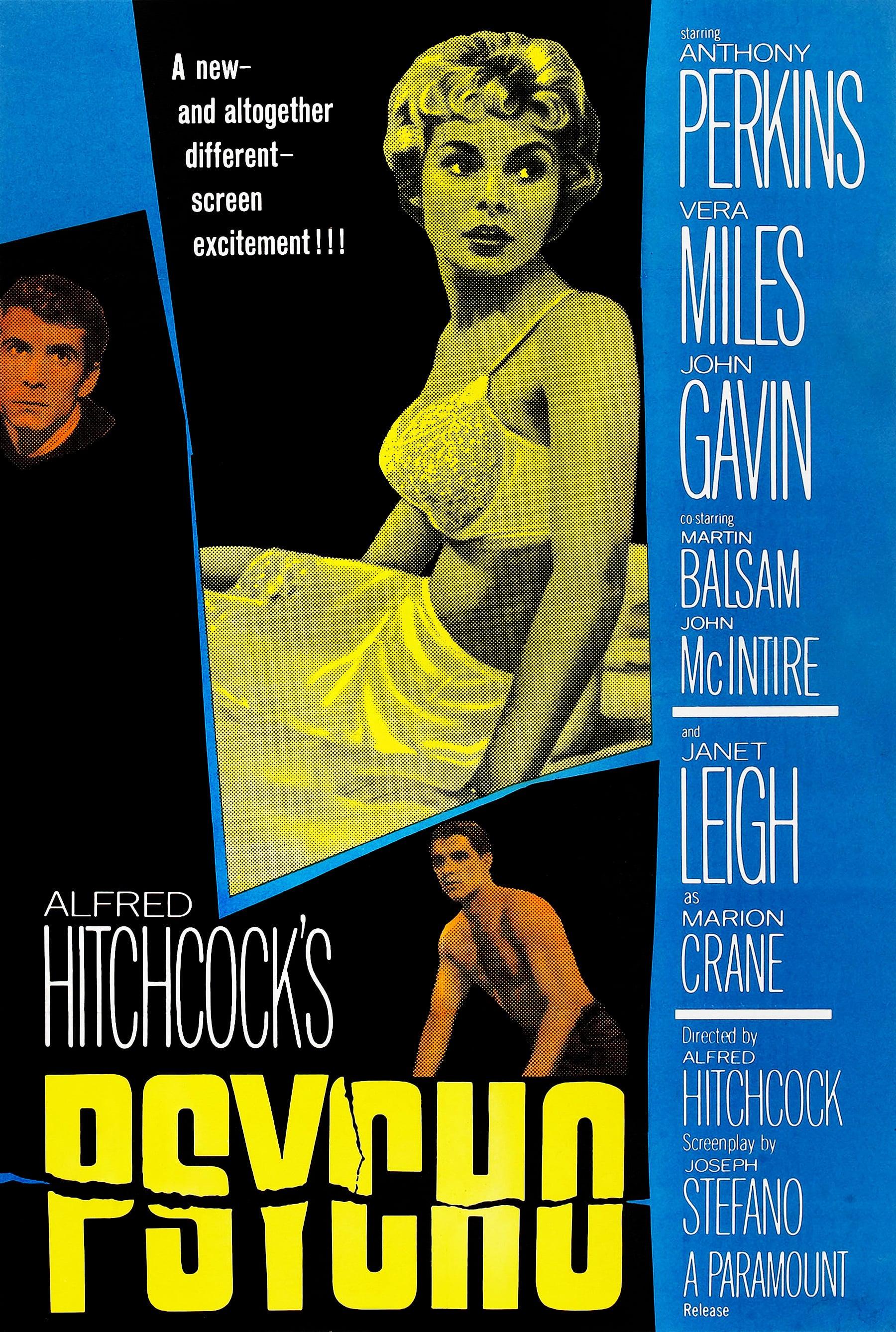
And this isn’t just in romance comedies either, in Alfred Hitchcock’s Psycho, the famous shower scene includes Janet Leigh nude and on the film poster she is in her bra. In horror films, the women are often seen in skimpy clothes or naked.
John Berger states:
![Image result for ‘Men act and women appear. Men look at women. Women watch themselves being looked at. This determines not only most relations between men and women but also the relation of women to themselves. The surveyor of woman in herself is male: the surveyed female. Thus she turns herself into an object – and most particularly an object of vision: sight’]](https://pbs.twimg.com/media/DiEDAIyUEAEmiZB.jpg)

No comments:
Post a Comment