14/12/2018

The Development of The British Horror Genre from the Success of Hammer Productions to Now

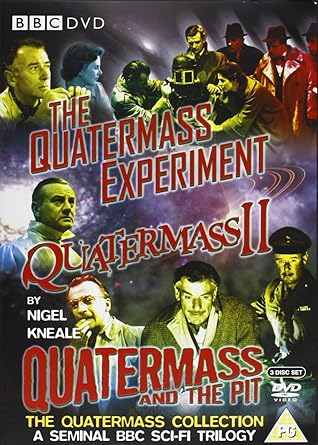
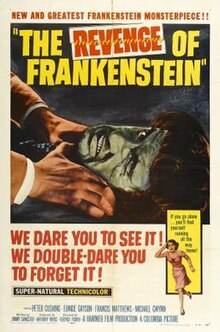
Hammer Horror Productions became successful in the horror genre in 1955 with their film Quatermass Xperiment. This was their gateway into the horror genre. After the success of Quatermass Xperiment, Hammer Horror made The Curse of Frankenstein in 1957. Hammer Horror made 5 horror film series in total as the first film in each series was received so highly. They are Quatermass Trilogy, Frankenstein, Dracula and The Mummy film series’ and Karnstein trilogy.


Image result for the quatermass series Revengetitle.jpgScarsofdracula.jpg The-Legend-of-the-Seven-Golden-Vampires-poster.jpg


Hammer Horror were successful from 1955 to 1976 when their last horror film was released. However, in 2008 Hammer Horror was revived and it has released horror films like The Woman in Black, Wakewood and Let Me In.


Image result for the woman in black


The themes of horror films have also changed overtime.

1950s – There were more apocalyptic and end of the world films that linked to social threats and historical events in the world. One major event was World War 2 which most people having lived through it would fine scary. Common themes were disfigurement, threats from science to the natural world and mutation.

Dracula1958poster.jpg 

1960s – Started to see more movies in colour which meant that they could use better special effects for a scarier film. The 1960s saw the upsurge of slasher and psychological horror films, which used everyday settings like houses to make them feel unsafe in a normally safe place. Common themes were hidden evil, inhuman beings and females were most often than not the victims.

Villageofthedamned1960.jpgThehaunting1963.png"The Hand" (1960).jpg

1970s – There were more possession films carrying over from the 1960s. Young people were portrayed in demonic ways to play on the fears of youth and the fact children are seen as innocent. Common themes included ‘The Other, demonic beings (often children) and anti-religious violence.

 TheHauntingofJulia.jpg   Fear in the Night poster.jpg

1980s – Slasher films came back into popularity with more violence included and more realistic gore due to the special effects’ developments. There was a decline in horror films about religions and religious beliefs. Common themes were vampires, paranoia and ‘The Other’.

Underworld FilmPoster.jpeg

1990s – In the 90s, psychological films were very popular and the fear of the government was replaced by friends and colleagues. The 90s brought with it, better methods of distribution and promotion of films which led to more self-made and self-produced films to be made. The sub-genre, comedy horror, was born as well as films that included things from outside the social norm and life after death whilst vampire films remained popular from the 1980s. Common themes were victim POVs, the unknown and vampires.

Haunted 1995 Film.jpg 

2000s – Further developments in special effects led to more extreme plot lines and gore. The sub-genre torture porn, an extreme-gory set of films whose intent are to disgust, were result of this. Gothic films relating to social concerns and non-western lifestyles became very popular as well as everyday threats e.g. paedos, serial killers and the mentally unstable. Common themes were found footage, trapping and isolation.
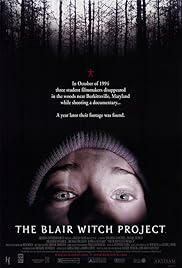
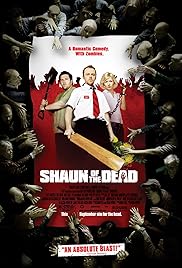
 The Blair Witch Project Poster     Shaun of the Dead Poster

2010s – Remakes are hugely popular in the 2010s. Lots of original horror films from the classic era are being remade. They are made gorier than the original to appeal to audiences now. Common themes are monsters, evil beings, gore and ‘The Other’.

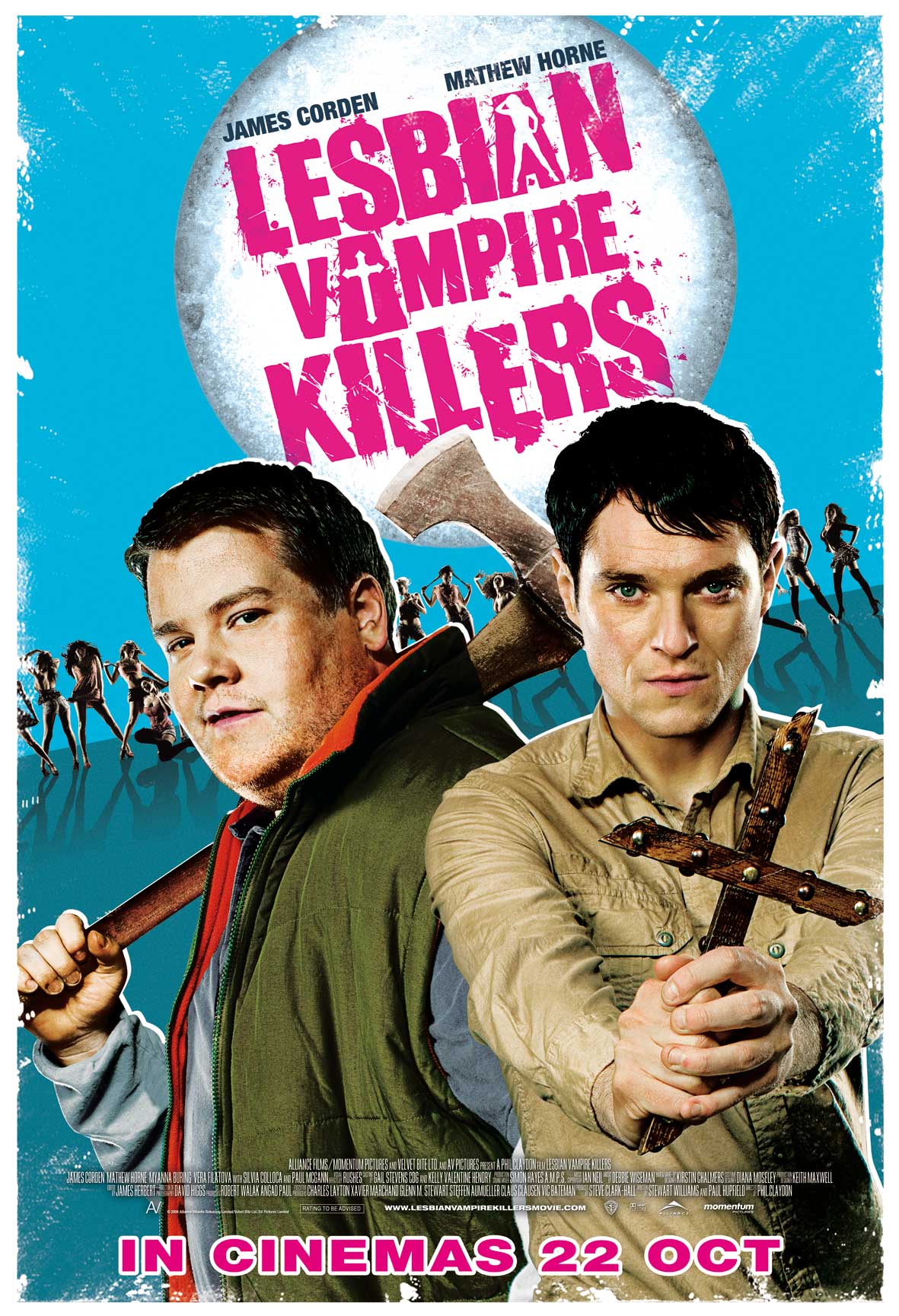
Image result for attack the blockImage result for lesbian vampire killersImage result for carrie


Carol J. Clover’s Final Girl theory suggests that there is more often than not a female character left at the end of the film that defeats/survives against the villain and/or monster.

Common Traits of a ‘Final Girl’ are:

Virginal – The final girl is most commonly a virgin or is stated out to be one. This is to play on the whole innocent and pure type of girl. This is also because in some films there are whole storylines to do with virgin sacrifices.


Smart and Strong - The final girl is always very smart and strong which helps her to defeat the villain in the end.


Feminine – Portrayed as quite the girly girl in the beginning but they then go on to defeat the villain which isn’t a girly trait.


05/12/2018

German Expressionism


German Expressionism is a style of cinema, that used atmospheric lighting, strange camera angles and shadows, that dominated around the time of World War 1. It was widely popular, with German cinema becoming a highly watched cinema in Europe and the world, that many German production companies bringing out several films’ weeks apart. German Expressionism films often used the theme of mentally unstable characters and like to differ from realism.

Techniques and Mise-en-scene used:

Shadows: Shadows were used a lot in German Expressionist films. They liked to use atmospheric lighting which fits in with shadows. Shadows give the audience an outline of the character or object without giving away key features so allows for a bit of mystery. It also allows the story to play through as the audience is seeing what another character is seeing, almost like seeing it through their point of view.


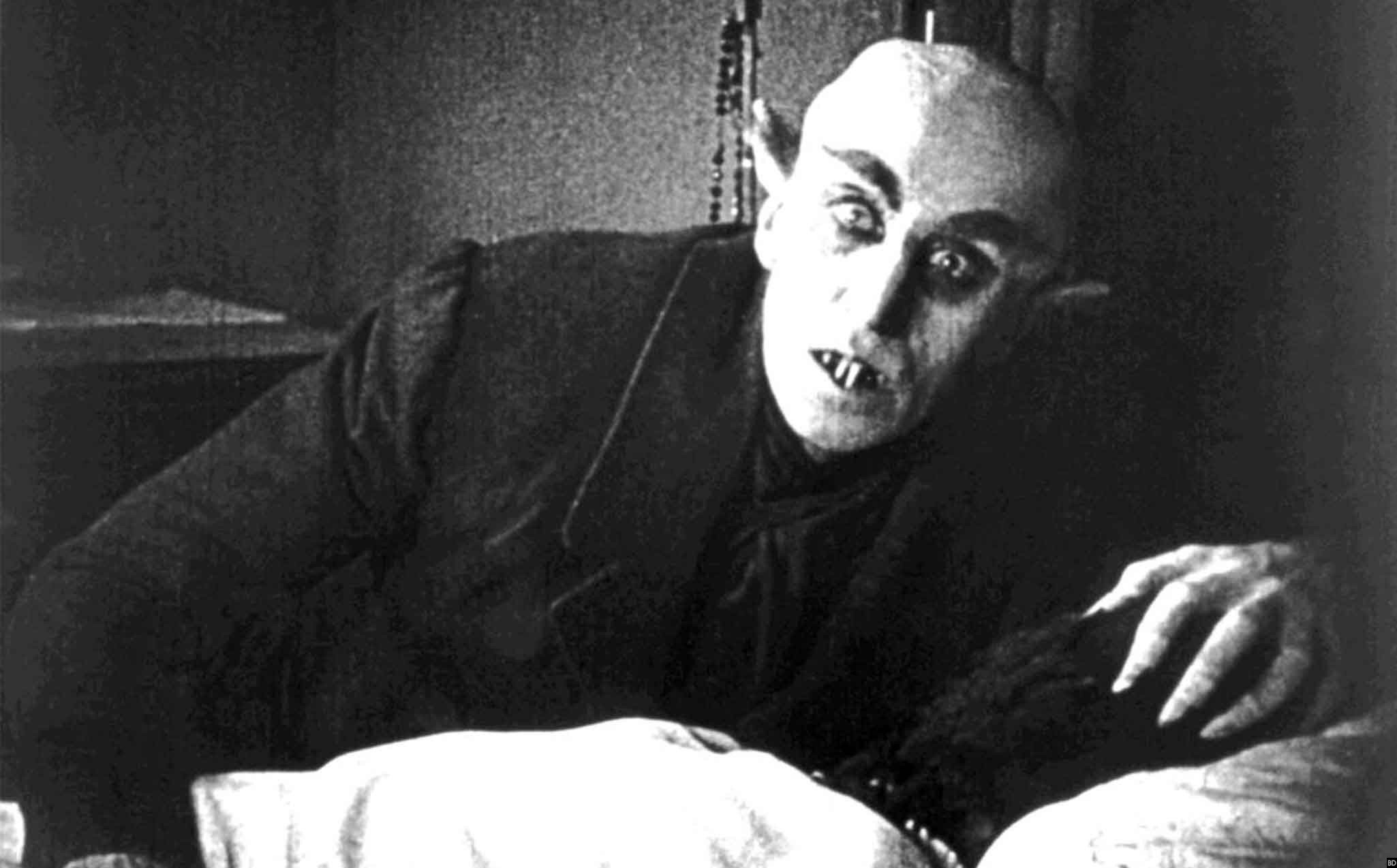
Image result for nosferatu

Diagonal Lines/camera angles: The use of diagonal lines is to give an artistic flair to the film that the director would have wanted. Camera angles like tilting would give the audience a different view of the scene that they wouldn’t normally get so they are drawn in. Another example would be high angles. Commonly high angles are used in films to denote the power a character owns e.g. the camera looking up would denote that they are powerful and the camera looking down on them would show them as being weak and submissive.


Image result for the cabinet of dr. caligariImage result for the cabinet of dr. caligari

Makeup: The makeup used/worn in expressionist films was very theatrical and elaborate. Due to the time period, these films were shot in black and white so the emphasis of the makeup wasn’t colour. They wore heavy makeup to distinguish the character as their own unique self. Costumes were also very theatrical and bold. Both Makeup and Costumes in German Expressionist films helped to show that these films were not part of realism.


Image result for the cabinet of dr. caligari Image result for nosferatu

Examples:

Image result for the cabinet of dr. caligari

German Expression films inspired directors in Hollywood and aspects of expressionism are used in them. For example, Alfred Hitchcock’s Psycho uses elements of shadows and the mentally unstable.


Image result for edward scissorhands
Tim Burton still uses elements of German Expressionism in his films now. An example is Edward Scissorhands as having scissors instead of hands isn't realistic and shadows are used to define the differences in how and where Edward and the townspeople live