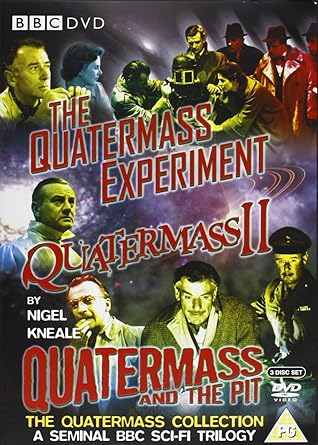
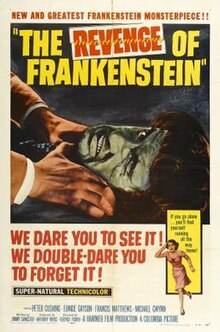


Hammer Horror were successful from 1955 to 1976 when their
last horror film was released. However, in 2008 Hammer Horror was revived and
it has released horror films like The Woman in Black, Wakewood and Let Me In.

The themes of horror films have also changed overtime.
1950s – There were more apocalyptic and end of the world
films that linked to social threats and historical events in the world. One
major event was World War 2 which most people having lived through it would
fine scary. Common themes were disfigurement, threats from science to the
natural world and mutation.

1960s – Started to see more movies in colour which meant
that they could use better special effects for a scarier film. The 1960s saw
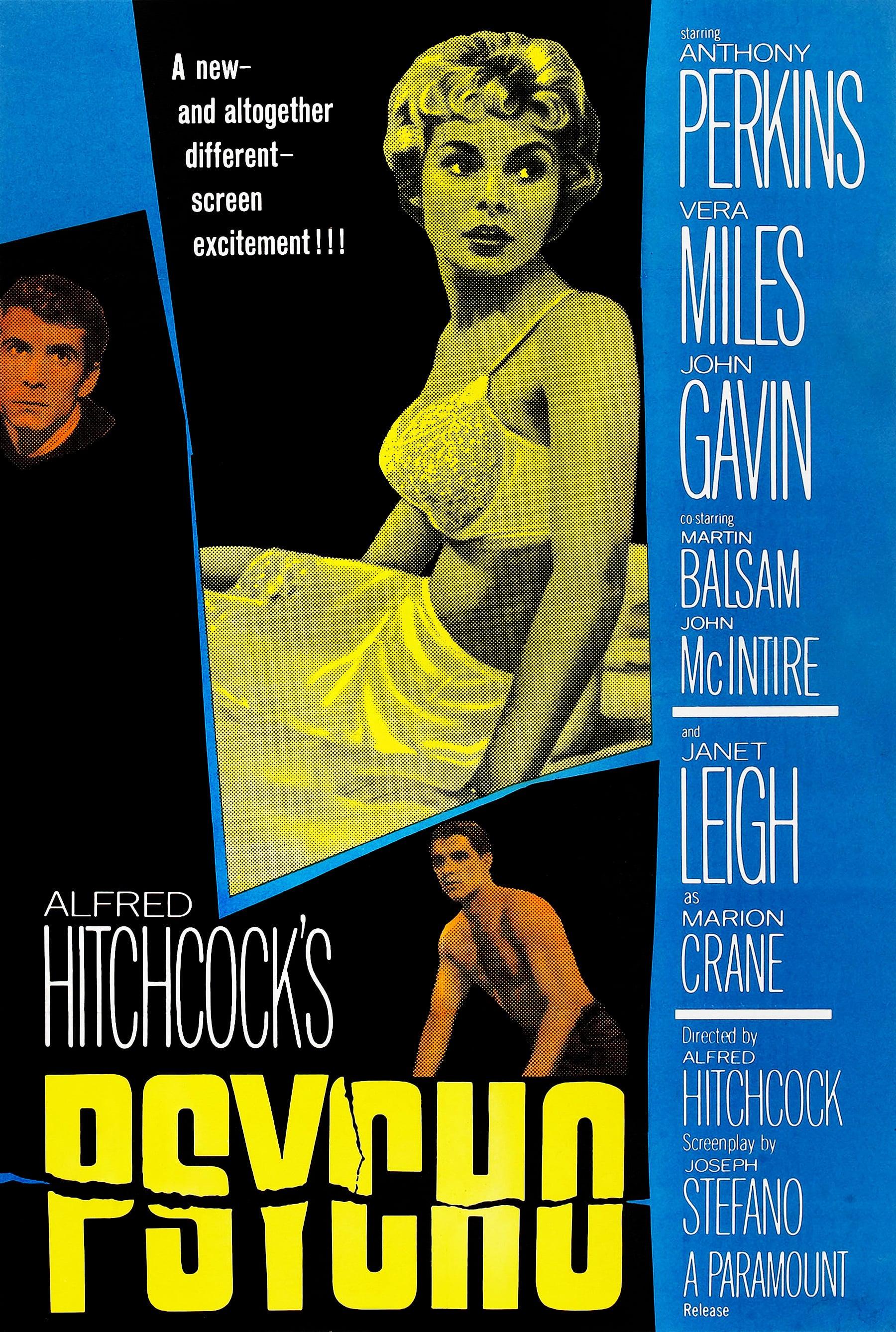
the upsurge of slasher and psychological horror films, which used everyday
settings like houses to make them feel unsafe in a normally safe place. Common
themes were hidden evil, inhuman beings and females were most often than not
the victims.


1970s – There were more possession films carrying over from
the 1960s. Young people were portrayed in demonic ways to play on the fears of
youth and the fact children are seen as innocent. Common themes included ‘The
Other, demonic beings (often children) and anti-religious violence.


1980s – Slasher films came back into popularity with more
violence included and more realistic gore due to the special effects’
developments. There was a decline in horror films about religions and religious
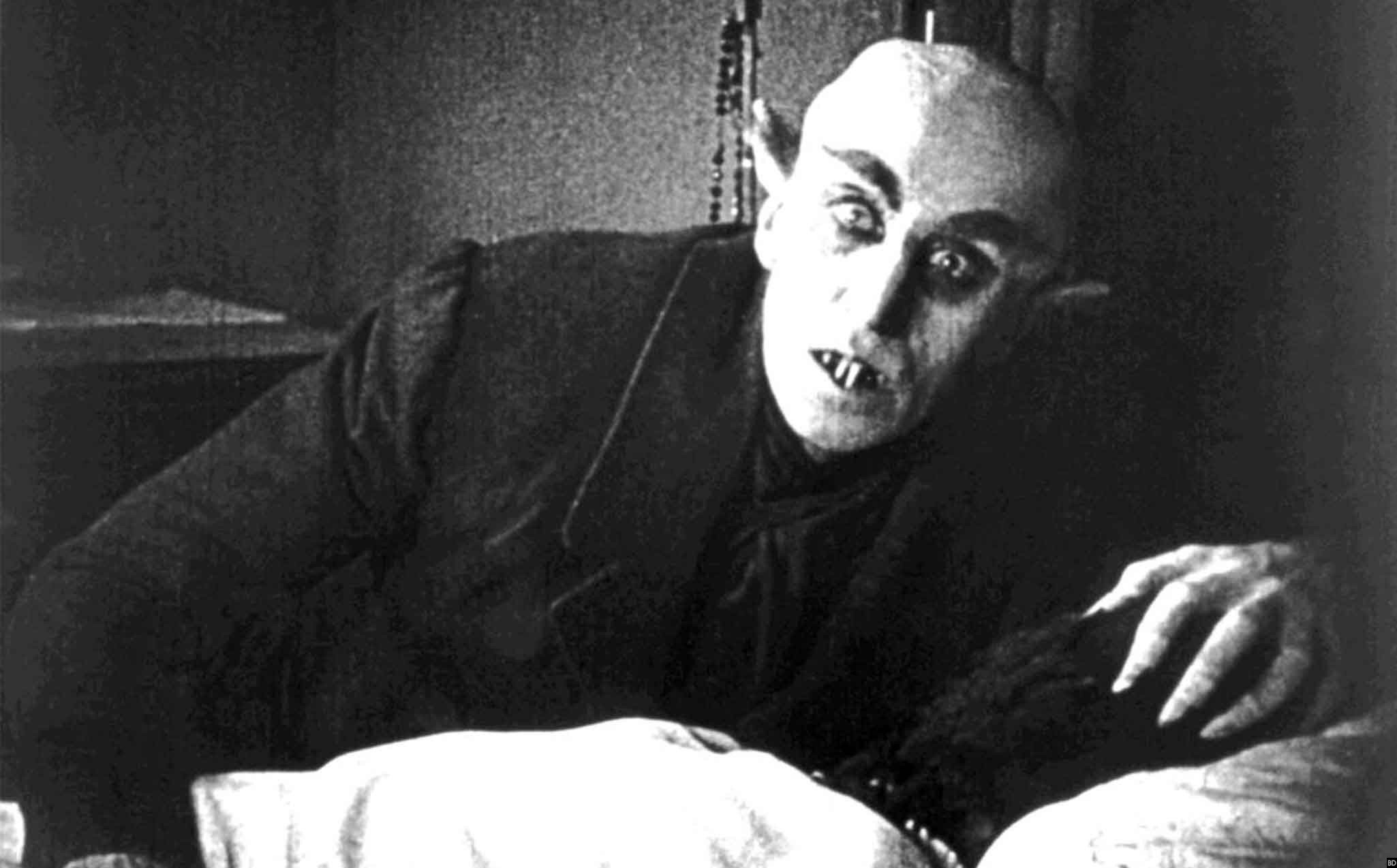
beliefs. Common themes were vampires, paranoia and ‘The Other’.

1990s – In the 90s, psychological films were very popular
and the fear of the government was replaced by friends and colleagues. The 90s
brought with it, better methods of distribution and promotion of films which
led to more self-made and self-produced films to be made. The sub-genre, comedy
horror, was born as well as films that included things from outside the social
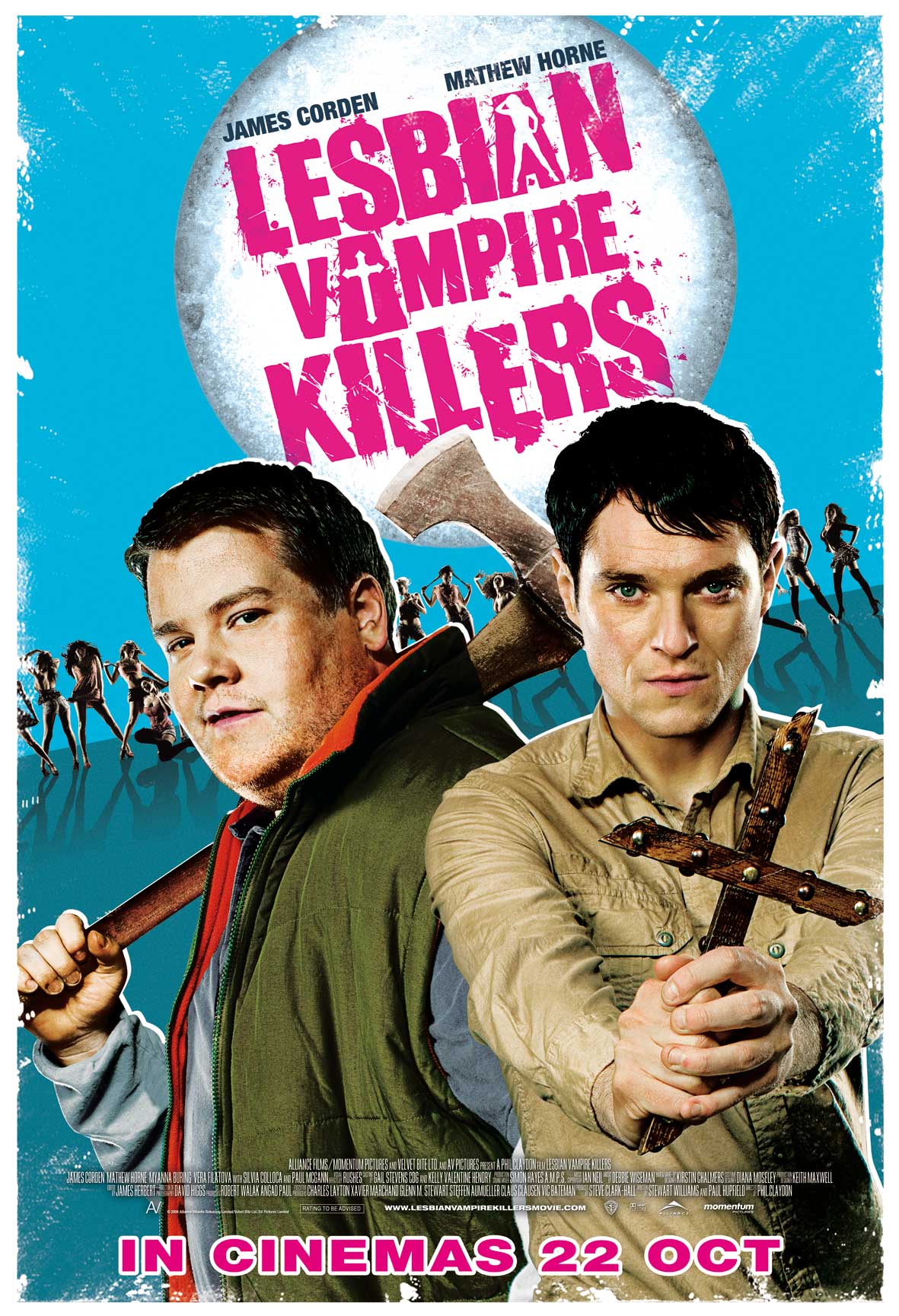
norm and life after death whilst vampire films remained popular from the 1980s.
Common themes were victim POVs, the unknown and vampires.

2000s – Further developments in special effects led to more
extreme plot lines and gore. The sub-genre torture porn, an extreme-gory set of
films whose intent are to disgust, were result of this. Gothic films relating
to social concerns and non-western lifestyles became very popular as well as
everyday threats e.g. paedos, serial killers and the mentally unstable. Common
themes were found footage, trapping and isolation.
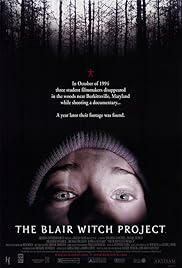
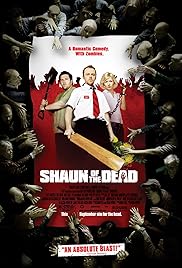
2010s – Remakes are hugely popular in the 2010s. Lots of
original horror films from the classic era are being remade. They are made gorier
than the original to appeal to audiences now. Common themes are monsters, evil
beings, gore and ‘The Other’.


Carol J. Clover’s Final Girl theory suggests that there is
more often than not a female character left at the end of the film that
defeats/survives against the villain and/or monster.
Common Traits of a ‘Final Girl’ are:
Virginal – The final girl is most commonly a virgin or is
stated out to be one. This is to play on the whole innocent and pure type of
girl. This is also because in some films there are whole storylines to do with
virgin sacrifices.


Smart and Strong - The final girl is always very smart and
strong which helps her to defeat the villain in the end.


Feminine – Portrayed as quite the girly girl in the
beginning but they then go on to defeat the villain which isn’t a girly trait.






![Image result for ‘Men act and women appear. Men look at women. Women watch themselves being looked at. This determines not only most relations between men and women but also the relation of women to themselves. The surveyor of woman in herself is male: the surveyed female. Thus she turns herself into an object – and most particularly an object of vision: sight’]](https://pbs.twimg.com/media/DiEDAIyUEAEmiZB.jpg)