German Expressionism is a style of cinema, that used
atmospheric lighting, strange camera angles and shadows, that dominated around
the time of World War 1. It was widely popular, with German cinema becoming a
highly watched cinema in Europe and the world, that many German production companies
bringing out several films’ weeks apart. German Expressionism films often used
the theme of mentally unstable characters and like to differ from realism.
Techniques and Mise-en-scene used:
Shadows: Shadows were used a lot in German Expressionist
films. They liked to use atmospheric lighting which fits in with shadows.
Shadows give the audience an outline of the character or object without giving
away key features so allows for a bit of mystery. It also allows the story to
play through as the audience is seeing what another character is seeing, almost
like seeing it through their point of view.

Diagonal Lines/camera angles: The use of diagonal lines is to
give an artistic flair to the film that the director would have wanted. Camera angles like tilting would give the audience a different view of the scene that
they wouldn’t normally get so they are drawn in. Another example would be high
angles. Commonly high angles are used in films to denote the power a character
owns e.g. the camera looking up would denote that they are powerful and the
camera looking down on them would show them as being weak and submissive.


Makeup: The makeup used/worn in expressionist films was very
theatrical and elaborate. Due to the time period, these films were shot in
black and white so the emphasis of the makeup wasn’t colour. They wore heavy
makeup to distinguish the character as their own unique self. Costumes were
also very theatrical and bold. Both Makeup and Costumes in German Expressionist
films helped to show that these films were not part of realism.
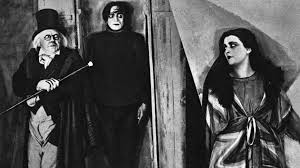
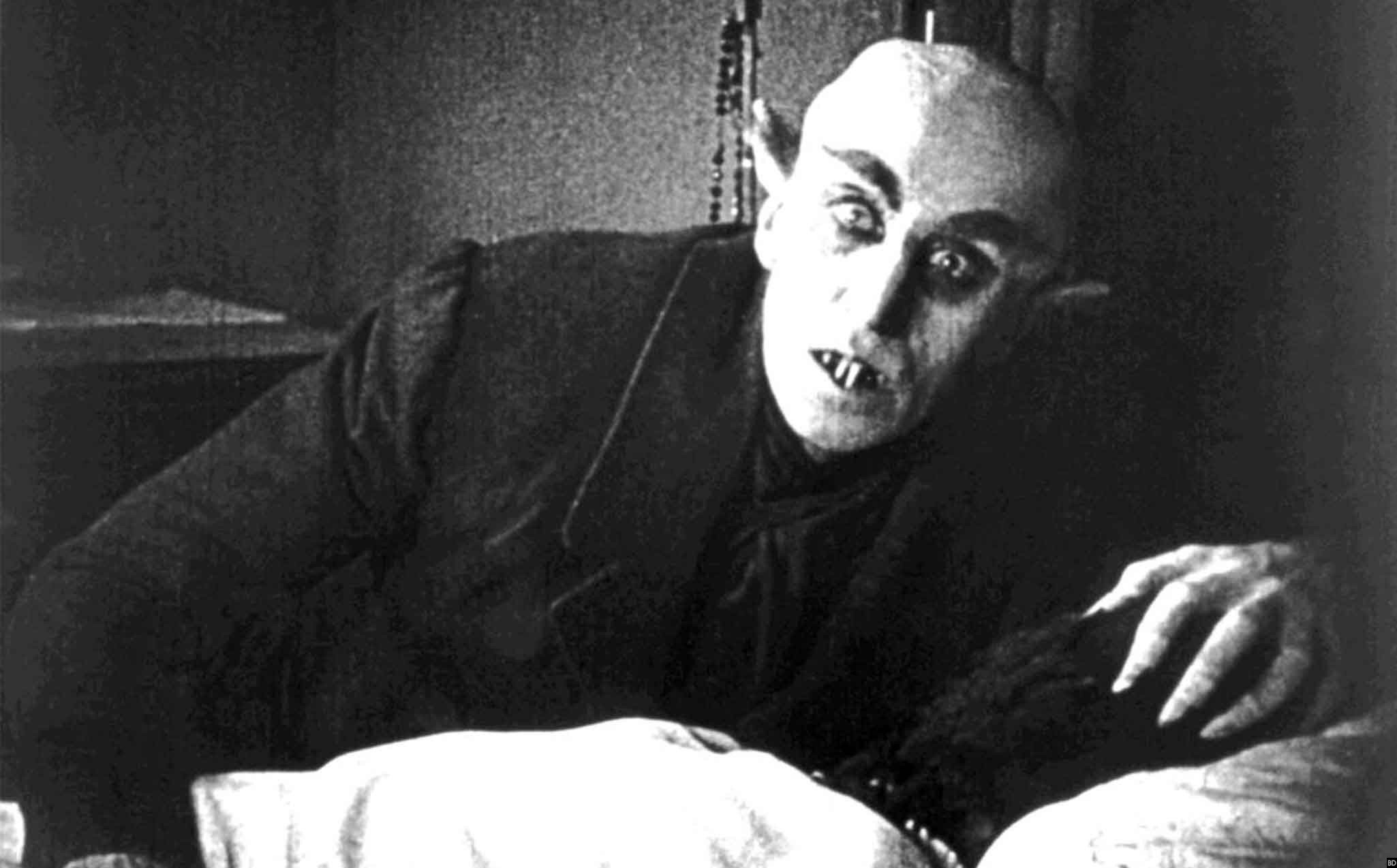
Examples:

German Expression films inspired directors in Hollywood and aspects of expressionism are used in them. For example, Alfred Hitchcock’s Psycho uses elements of shadows and the mentally unstable.


No comments:
Post a Comment